
As I delve into the world of tabletop roleplaying in 2026, one campaign setting continues to capture the imagination of players seeking a saga steeped in Norse legend and epic struggle: Raiders of the Serpent Sea. This officially supported adventure for Dungeons & Dragons 5th Edition masterfully weaves Scandinavian mythology into the fabric of D&D, creating an experience that resonates deeply with fans of epic tales like the God of War series. While I'm not controlling Kratos on a screen, I find myself leading my own band of warriors through a world where the gods are fickle, the winters grow ever longer, and a serpent of world-ending proportions slumbers beneath the waves. The campaign's successful journey from a Kickstarter phenomenon to a celebrated part of the D&D ecosystem proves the enduring appeal of Viking sagas.
🛡️ From Greek Tragedy to Norse Exodus: A Shared Narrative Foundation
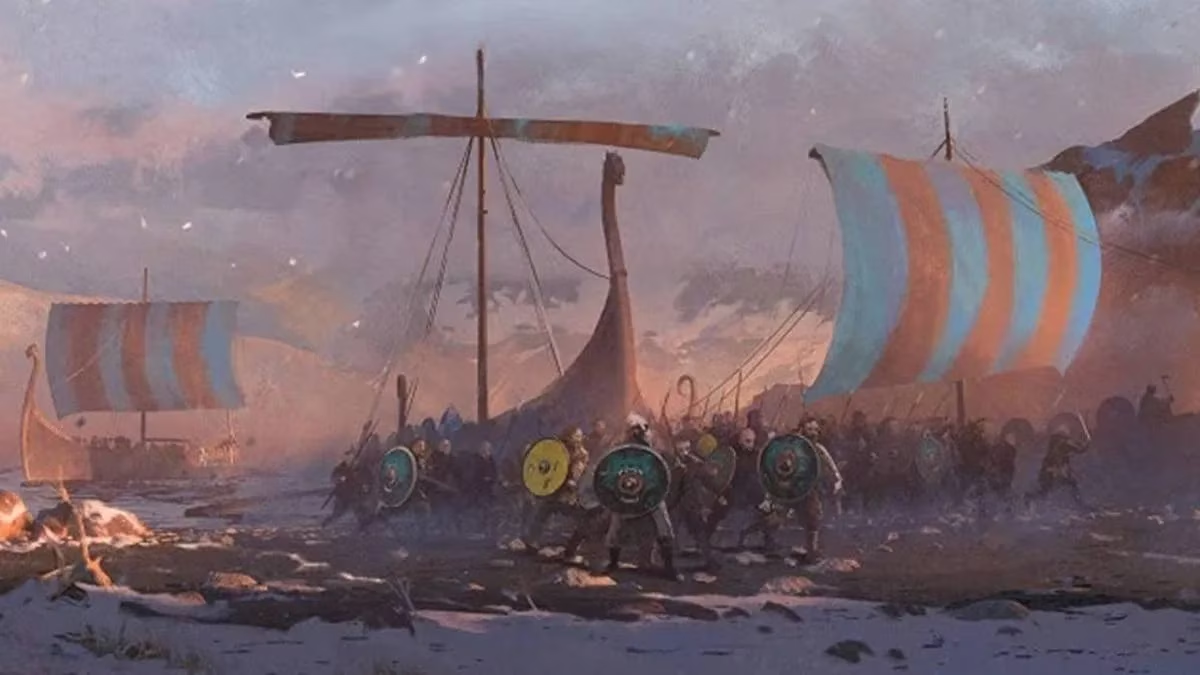
One of the most compelling parallels I see is in the foundational stories. God of War (2018) famously transitioned Kratos from the ruins of Greek mythology to the frozen realms of the Norse pantheon, seeking peace and a new beginning away from the bloodshed of his past. Similarly, the world of Grimnir in Raiders of the Serpent Sea was not a land chosen by its inhabitants out of desire, but one seized out of desperation. The lore, as crafted by Arcanum Worlds, tells a tragic tale: survivors of a vanquished civilization, pursued by giants and demonic entities to the ends of the earth, were forced to use primal magic to tear open a portal to this new, perilous realm. This mirrors Kratos's own flight—both are stories of refugees, of heroes and survivors forced to embrace a harsh new world to escape even more dire threats from their past. In my games, this provides a powerful motivation for player characters; they aren't just adventurers, they are the descendants of those who fought for a chance to survive, carrying the weight of that exodus.
❄️ The Omen of Endless Winter: Fimbulwinter and Grimnir's Doom
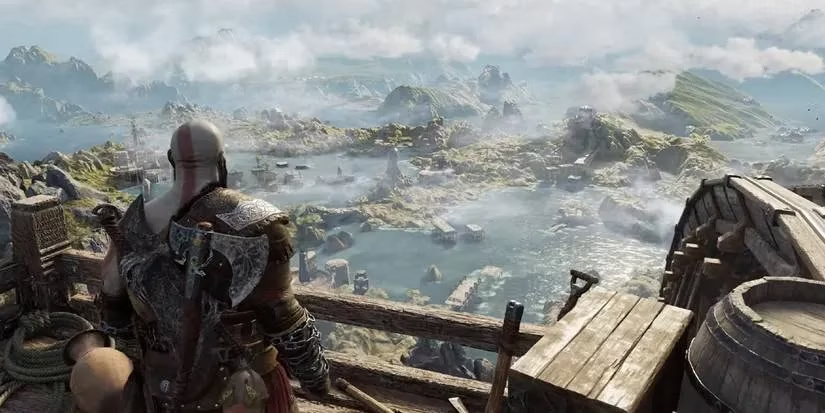
The sense of impending cataclysm is another powerful thread that binds these experiences. In the God of War narrative, the death of Baldur heralds the onset of Fimbulwinter—a long, magical winter that precedes the apocalyptic event of Ragnarok. Playing through Raiders of the Serpent Sea, I encounter a strikingly similar portent. The winters in Grimnir are becoming progressively longer and more severe, a clear sign that the world's time of relative peace is ending. This isn't just a weather pattern; it's an omen. The campaign hints at a looming threat from the "world-eaters," the very same monstrous beings that forced the original flight to Grimnir. The sky itself begins to shift with strange colors, perhaps auroras or magical residues, suggesting the fabric between realms is weakening. This builds incredible tension at the table, as every snowstorm feels less like a seasonal change and more like a ticking clock toward a final, desperate battle for survival.
🐺 Beasts of Legend: A Bestiary Forged in Myth
Where the inspiration becomes most tangible is in the monstrous inhabitants that players must face. Both worlds draw directly from the rich well of Norse mythology, populating their conflicts with iconic beings:
-
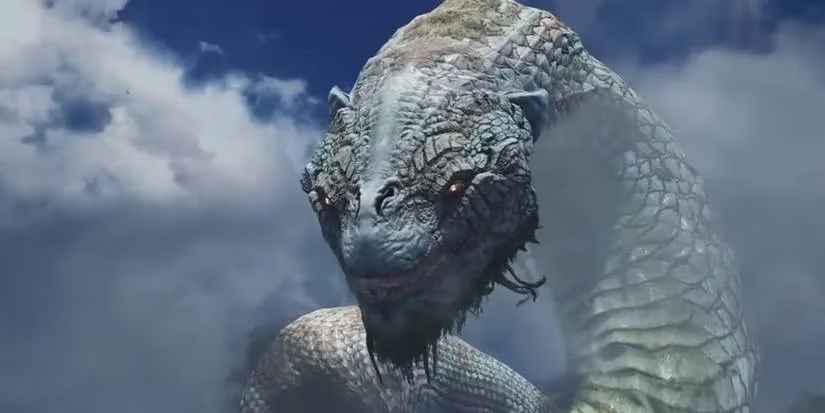
The World Serpent: Jormungandr is a central figure in God of War, an ancient and massive creature whose very movements can send echoes through time. In Raiders of the Serpent Sea, the titular "Serpent" is undoubtedly a reference to this same mythic beast, posing an existential threat to the world of Grimnir.
-
The Great Wolf: The prophecies speak of a wolf of devastating power. This aligns with Fenrir, the beast destined to devour Odin during Ragnarok. The campaign suggests such a creature awaits in the shadows of its own end-times narrative.
-
The Restless Dead: Draugr, the undead warriors of Norse myth, are a common foe in God of War. They appear in Raiders of the Serpent Sea as well, providing a classic, thematic enemy for players to combat. While D&D has no shortage of undead, the Draugr carry a specific cultural and mythological weight that enhances the setting.
-
The Giants: Known as Jotunn in the myths, giants are a constant source of conflict. In Raiders, they are part of the original calamity that forced the migration. They represent a primordial, often antagonistic force of nature, much as they do in the stories Mimir tells in God of War.
⚔️ The D&D Difference: Your Saga, Your Rules
Despite these inspiring similarities, the true magic of Raiders of the Serpent Sea lies in how it uses this foundation to empower player agency—something uniquely possible in a tabletop RPG. God of War presents a fixed, albeit breathtaking, narrative following Kratos and Atreus. Raiders of the Serpent Sea, however, provides the setting, the threats, and the lore, then hands the story to me and my fellow players. The table becomes our own interactive saga. We decide:
-
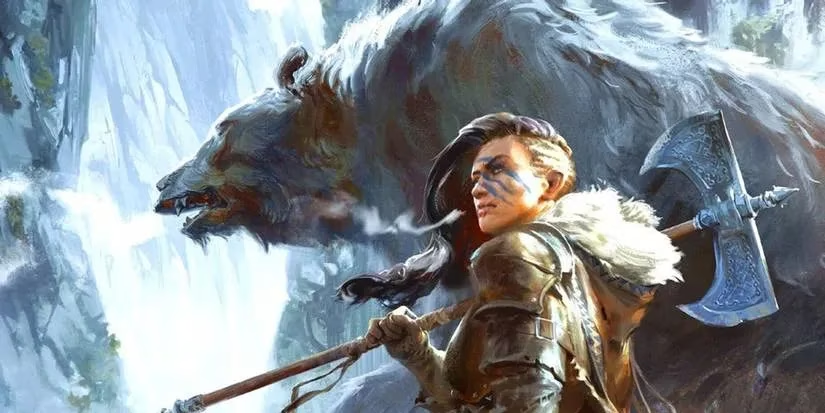
Who our Raiders are: Are we noble shieldmaidens, cunning skald storytellers, or ruthless berserkers? The campaign introduces new class archetypes perfect for fleshing out these Viking-inspired roles.
-
How we face the doom: Do we seek to rally the clans of Grimnir against the Serpent? Do we embark on a quest to find ancient magic to seal the world-eaters away once more? Or do we attempt to find another portal, continuing the cycle of exodus?
-
The fate of our community: The campaign isn't just about killing monsters; it's about leading a community of survivors. Our choices can determine the prosperity or ruin of our longship crew and home settlement.
In 2026, with the campaign fully released and enriched by community content and expansions, Raiders of the Serpent Sea stands as a testament to how tabletop RPGs can absorb and reinvent influences from across the media landscape. It takes the visceral, mythic feel of a video game epic like God of War and translates it into a collaborative, open-ended narrative experience. It reminds me that the most powerful stories aren't just those we witness, but those we live through and shape with our own choices, dice rolls, and camaraderie around the table. The long winter is coming to Grimnir, but the fire of our saga burns bright.