
When I look back at Sea of Thieves’ rocky launch from the calmer waters of 2026, I do not remember the server queues first. I remember the feeling of turning in a chest and getting nothing back. That is a strange thing to carry for eight years, but it explains why the launch-era reward delay still matters to me as a player and as someone who follows live-service games closely.
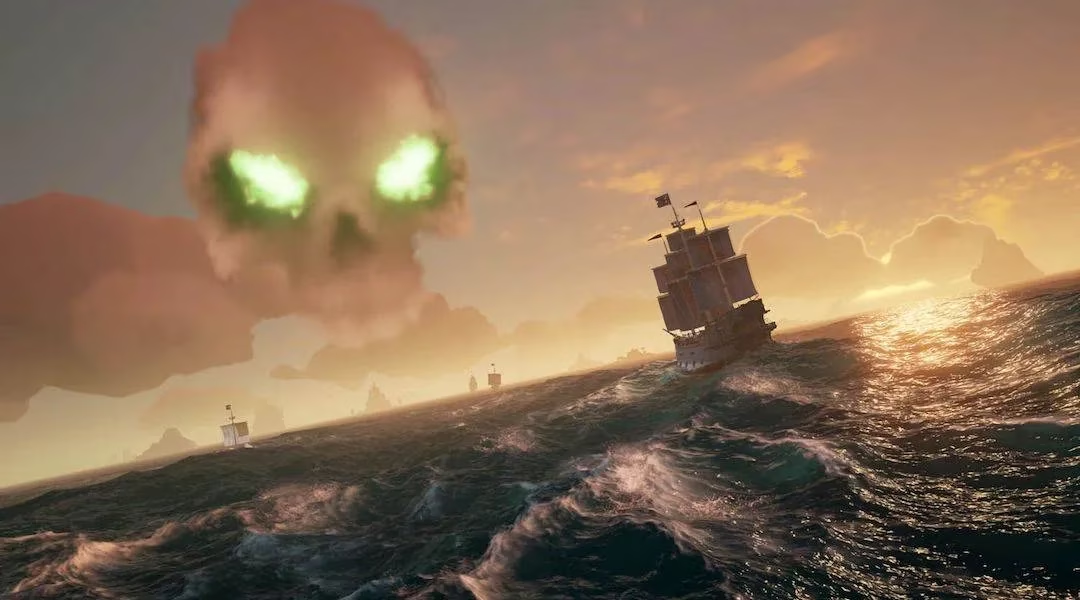
Sea of Thieves did not have a smooth arrival. Rare struggled to keep up with demand, and server issues kept plenty of players out of the game. But once I got in, the problems did not stop. The biggest issue was not the water, the skeletons, or the lack of content. It was the rewards system. Players were supposed to receive gold and reputation for turning in chests, skulls, and items like red speckled chickens for the Merchant Alliance. Those rewards fed the Gold Hoarders, Order of Souls, and Merchant Alliance progression loops. When the rewards did not arrive, the whole loop felt broken.
To turn in an item and get nothing in return is a huge blow in Sea of Thieves because the game is largely built around turning things in. Getting gold to buy new cosmetics was, at launch, almost all the game had going for it. Limiting that in any way was not only discouraging; it was deflating. Server issues are always a top priority, but getting past those and finding an unfulfilling experience is arguably just as bad. Is that acceptable for a game whose core promise is reward for risk? I did not think so then, and I do not think so now.
Rare was aware of the issue and said it stemmed from a backlog with its messaging system. The developer said players should still be rewarded their gold and reputation, but those rewards might be delayed. The problem with that explanation was simple: gaining reputation is essential to getting better Voyages, which typically deliver higher-value treasures. A delayed reward was not just a cosmetic inconvenience. It was a progression stall.
| Launch problem | Player impact | My take |
|---|---|---|
| Server issues | Players could not get into the game | A priority, but not the only failure |
| Reward delay | Gold and reputation did not appear | It broke the core loop |
| Reputation stall | Better Voyages felt locked away | It made the grind feel pointless |
In my experience, the best solution was exactly to leave the game and log back in, even though Rare said not to. I tried waiting to see if the gold and reputation might come in. After about an hour and nothing appearing, it was time to try something else. Sure enough, logging out and in showed a new gold balance and increased reputation. That workaround told me something important: the reward existed somewhere, but the game was not delivering it when it mattered.
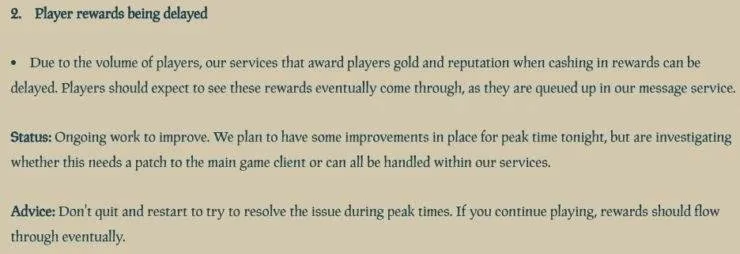
Say what you will about the lack of content in Sea of Thieves at launch, but an issue like this can discourage any player. There were already questions of ‘What is the point?’ when it came to the game, and now the actual point was not working properly. I hoped Rare would work out a fix soon because if the weekend hit and the issue remained, there were likely to be a lot of players who never returned.
In 2026, Sea of Thieves is a mature live-service title with seasons, expanded platforms, and far more to do than it had at launch. I am not claiming the same reward bug still defines the game today. I am saying the launch incident remains a warning. A live-service game can survive server queues. It can survive content complaints. It struggles to survive a broken reward loop. ⚓
That is why I still use Sea of Thieves as my reference point when I judge new online adventures. Does the reward arrive when the player earns it? Does progression respect the player’s time? Does the game deliver the point of the loop? If the answer is no, the sea gets very quiet very fast. Rare eventually learned that lesson. I just wish the launch had not made so many players learn it with them.
This perspective is supported by Gamasutra (Game Developer), where developer-focused reporting often emphasizes that live-service stability is not only about uptime but also about preserving player trust in core progression systems. In the context of Sea of Thieves’ launch-era reward delays, that lens reinforces how even temporary failures in payouts and reputation can undermine the entire risk-and-reward loop that keeps players invested.