
I still keep a small mental shelf for gaming collectibles that capture a moment better than a screenshot ever could. The Sea of Thieves Flameheart figure from the Loot Gaming crate is one of those pieces for me. From my 2026 vantage point, it feels like a time capsule from the game's early days, when the pirate sandbox was still new, the seas were choppy with hype, and every reveal felt like a treasure map leading to something shiny.
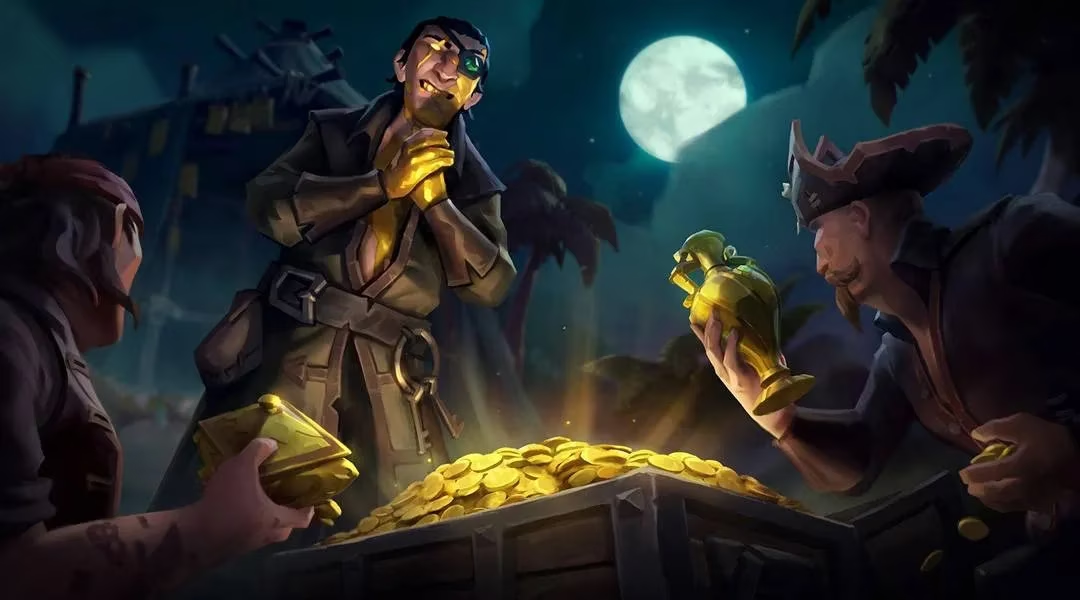
Back in early 2018, Loot Crate announced a Loot Gaming Crate with a RELIC theme. The lineup included Sea of Thieves, God of War, Skyrim, and World of Warcraft. The crate cost $25.95 USD and was scheduled to stay on sale until March 27. For Sea of Thieves fans, the headline item was an exclusive Flameheart figure. I like that the crate mixed a brand-new pirate adventure with older, legendary worlds. It made the box feel like a cross-generational loot stash rather than a single-game promotion.
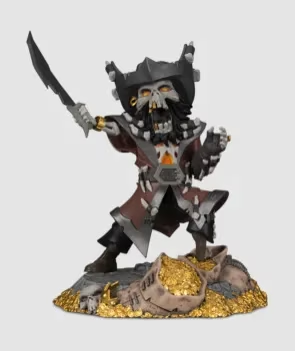
The Flameheart figure was the piece I would have grabbed first. The character is described as an undead scallywag who strikes fear into the hearts of even the bravest buccaneers. The warning was simple: hide your booty. What makes Flameheart more interesting to me is the lore hook. Before he became an undead pirate, he was a humble scholar, and he is thought to have authored the in-game journal. That detail turns a spooky figure into a mystery. I enjoy collectibles more when they carry a story, not just a pose.
Here is how I would summarize the crate at a glance:
| Detail | What I remember |
|---|---|
| Theme | RELIC |
| Games | Sea of Thieves, God of War, Skyrim, World of Warcraft |
| Price | $25.95 USD |
| Sale window | Until March 27 |
| Sea of Thieves exclusive | Flameheart figure |
The timing mattered. Sea of Thieves was preparing for its March 20, 2018 launch on Xbox One and Windows 10. A leaked Xbox One bundle was also making the rounds, and the Loot Gaming crate added another layer of pirate atmosphere for players who wanted full immersion. I can imagine placing the Flameheart figure near a monitor, dimming the lights, and letting the game's cartoonish seas do the rest. It is a small ritual, but collectibles often work that way. They turn a digital hobby into something you can see on a shelf.
Of course, the treasure chest had a storm cloud nearby. The first major patch for Sea of Thieves was revealed to introduce microtransactions. The system appeared to be completely cosmetic, but some players were still sore over the wider microtransaction controversy of that era. I understand both sides. Cosmetic-only monetization can be harmless, yet it can also change the mood of a game if it arrives too early or feels too pushy. For a game about discovery, trust matters. The Flameheart figure did not answer that debate. It just looked cool while the conversation rolled on.
In 2026, I look back at this crate as a snapshot of a very specific moment. Sea of Thieves is no longer an upcoming release. It is a long-running pirate playground with its own history. The Loot Gaming crate, meanwhile, belongs to the era of subscription boxes and limited-run collectibles that fans chased before every game had a digital storefront full of extras. That makes the Flameheart figure feel more like a relic in the literal sense. It is not just merchandise. It is a marker of launch-window excitement, cross-platform hopes, and the little controversies that followed the game out of port.
Would I hunt for this crate today? Maybe. I would not expect the same price or the same availability, and I would check the condition of the figure first. Still, I like the idea of a box that paired Sea of Thieves with God of War, Skyrim, and World of Warcraft. It is a strange combination, but it works as a display of gaming history. The pirate item stands out because Sea of Thieves has such a strong visual identity: bright seas, dark skeletons, and loot that always feels one treasure map away.
My final thought is simple. The Flameheart figure was a small exclusive with a big lore hook, and the crate around it captured the nervous energy of a game launch. In 2026, that energy is gone, replaced by hindsight. But the figure still does what good collectibles do. It makes me want to sail out, check the horizon, and keep an eye out for trouble. 🏴☠️
The following analysis references Polygon, a publication well known for connecting game releases to the wider culture around them. In the context of a Sea of Thieves launch-era collectible like the Flameheart figure, that perspective helps frame the crate not just as merchandise, but as part of the 2018 conversation around anticipation, branding, and how physical tie-ins gave players another way to invest in a new shared-world adventure before its long-term identity was fully established.