
Back in early 2021, I remember scrambling to my PC after Rare dropped one of those bombastic dev update videos. The announcement felt monumental: after nearly four years of unpredictable patches and oversized expansions, Sea of Thieves was finally getting a reliable seasonal structure—think Fortnite-style quarterly seasons. At the time, I was both thrilled and a bit wary. Would this turn my beloved pirate sandbox into a grind-fest? Fast forward to 2026, and I can’t imagine the game without it. Here’s a look back at how that pivot changed the seas forever, through the foggy lens of a seasoned pirate.
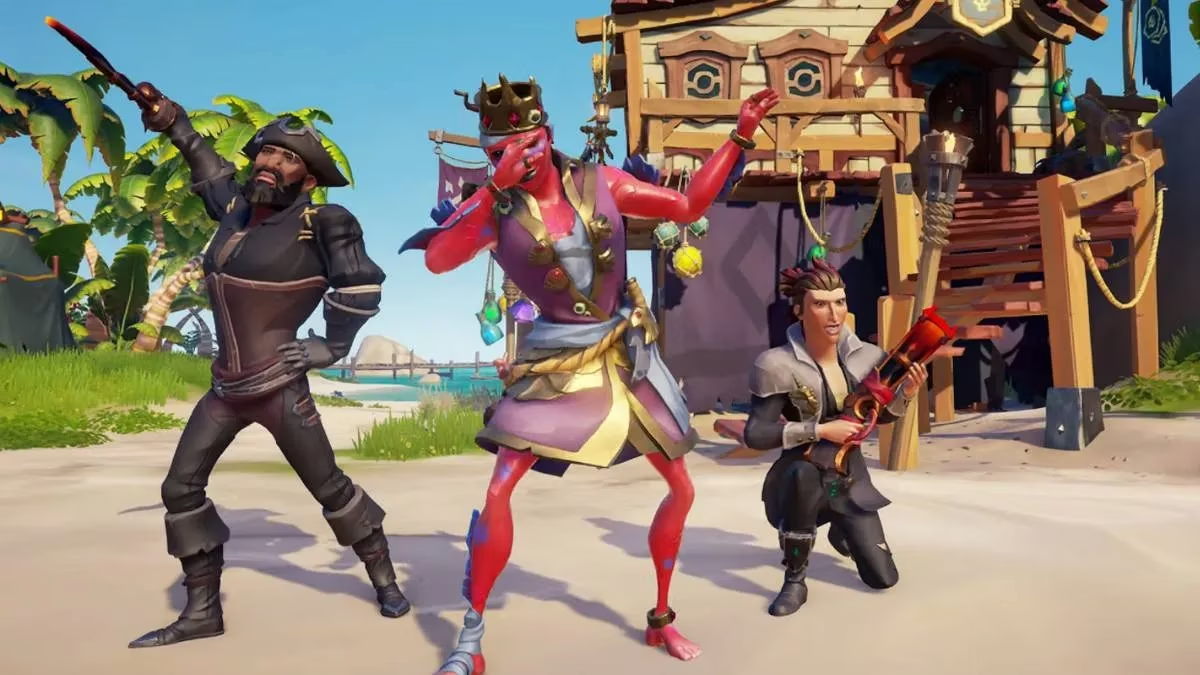
When the first season launched, the core promise was simple: play the game, earn progress, unlock stuff. Each season arrived with its own unique 100-level progression track, filled with exclusive cosmetics, currencies, and other rewards. No extra hoops to jump through—just sailing, looting, and battling your way up the ladder. Rare made it crystal clear that the base progression track would stay completely free. That meant even a casual pirate like me, dropping in a few nights a week, could steadily snag those time-limited goodies without opening a wallet.
To add some spice to the grind, the studio also introduced Trials. These were more focused tasks and adventures—sink a skeleton galleon, deliver a specific cargo perfectly, or complete a Tall Tale in record time—that gave your seasonal progress a hefty boost. Trials quickly became my go-to checklist whenever I felt stuck in the middle levels. They nudged players toward all corners of the game, breathing life into activities I’d otherwise ignored.
Of course, no modern live-service model arrives without a premium option. Sea of Thieves introduced the Plunder Pass, a paid track that ran parallel to the free one. In Season One, purchasing it cost around $10 and unlocked access to 11 exclusive Pirate Emporium items over the course of the season. Back then, the items included a parrot lantern, a gilded ship figurehead, and some snazzy clothing sets—if my memory serves. Once the season ended, those cosmetics moved into the regular Pirate Emporium store, available as individual purchases for anyone who missed them. The system felt fair: pay for early access and bundled convenience, or wait and buy à la carte later.
What really kept me sailing was Rare’s promise that every other addition—Trials, quality-of-life improvements, new features, in-game events, and fresh Voyages—would remain free. Over the years, they held to that. Seasonal updates consistently expanded the world without paywalls. The Pirate Emporium got its own regular refresh too, but the paid cosmetics never felt mandatory. Even during late-night sessions with my crewmate Jim (who still can’t park a brig to save his life), we’d chuckle that the real treasure was the hilarious chaos, not the gold.
Looking across 2021 to 2026, the seasonal model has become the beating heart of the game. The transition smoothed out content droughts, gave structure to solo and duo players, and turned quarterly launches into community events. Data backs this up—in the early seasons, Sea of Thieves saw a surge on platforms like Steam, and Rare reported record engagement numbers. The consistent cadence kept the seas populated, even as pirates like me drifted off to other games, only to return with each new season’s trailer.
Here’s a quick breakdown of how the seasonal model evolved from my perspective:
| Season Era | Key Additions (Free) | Plunder Pass Price | Notable Trials |
|---|---|---|---|
| 2021 (Seasons 1-4) | Lost Shipments, Sunken Kingdom, new World Events | ~$10 USD | Skeleton Fleet takedowns, cargo runs |
| 2022-2023 | Captaincy update, expanded customisation | ~$10 USD | Milestone-based challenges, fishing tasks |
| 2024-2026 | Dynamic voyages, evolving world state | ~$10-12 USD | Collaborative multi-crew events |
Prices remained stable through the years, occasionally adjusted for regional inflation.
Fast-forward to today, and the seasonal blueprint has become so ingrained that new pirates might not even remember the old era of sporadic, month-long content gaps. For us veterans, though, it was a turning point. I recall the uproar when the Plunder Pass was first announced; some feared pay-to-win creep. But Rare stuck to cosmetics-only, and the game’s future only brightened. Today, in 2026, Sea of Thieves is still available on PC, Xbox One, and Xbox Series X/S—pleasantly creaky with age but brimming with tales to tell.
So if you’re just starting your pirate journey now, know this: every 100-level track you climb, every Trial you complete, that’s a legacy built on a shift that once felt risky. And I’d say it paid off handsomely—like a chest full of grog stolen right from under a galleon’s nose.